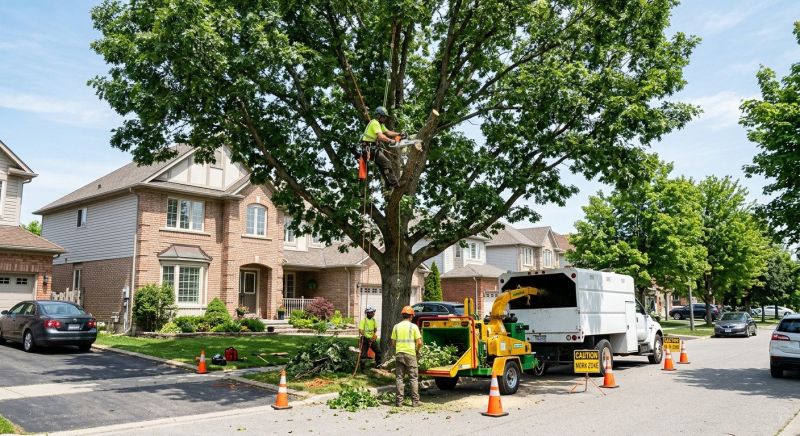
Tree Limbs Removal in San Jose, CA
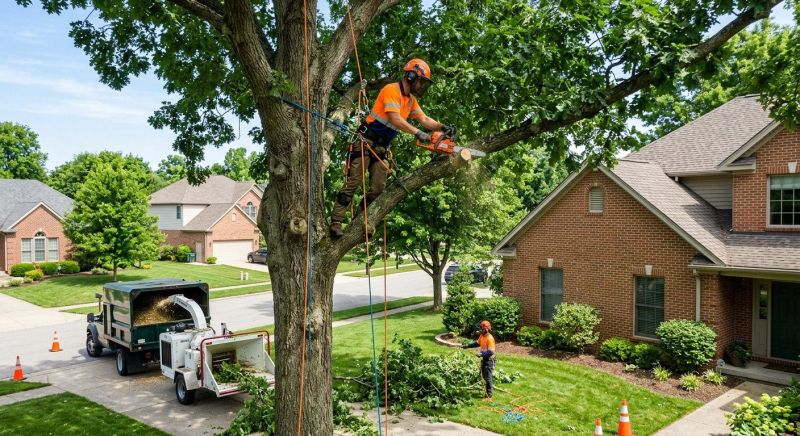
Tree limbs removal services involve the careful trimming and removal of overgrown or hazardous branches from trees on residential properties. This service is often requested for projects such as removing dead or damaged limbs, clearing away branches that interfere with power lines or structures, and maintaining the overall health and safety of trees. Property owners typically want to understand which branches should be removed to prevent potential damage or injury, as well as how the process can improve the appearance and safety of their yard.
Before requesting tree limbs removal, homeowners should consider the size and location of the branches in question, especially those near rooftops, walkways, or utility lines. It’s important to evaluate whether the limbs pose a risk of falling or causing damage during storms or high winds. Understanding the scope of the project, including the types of tools and techniques used, can help property owners make informed decisions about maintaining their trees and ensuring their property remains safe and attractive.
Many property owners in San Jose, CA look into Tree Limbs Removal for repairs, replacements, upgrades, and appearance-related improvements.
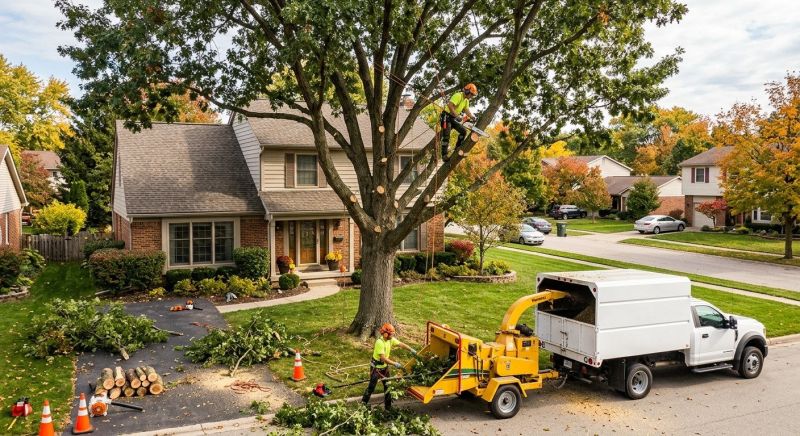
Tree Limb Safety
Removing hazardous limbs helps prevent property damage and personal injury.
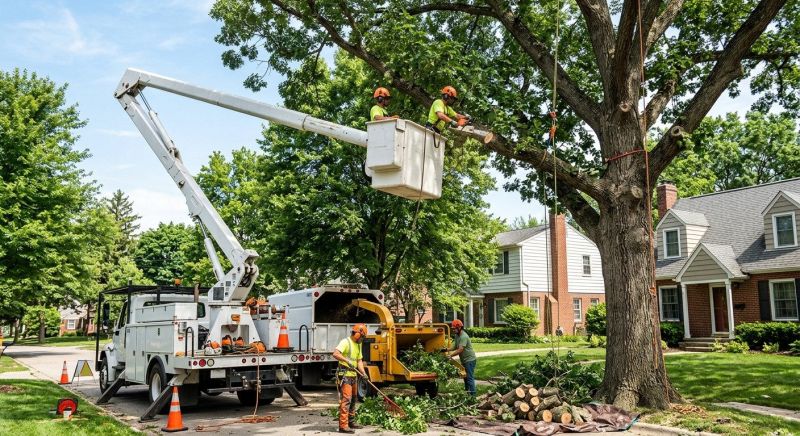
Property Aesthetics
Pruning overgrown or broken branches enhances the overall appearance of your landscape.
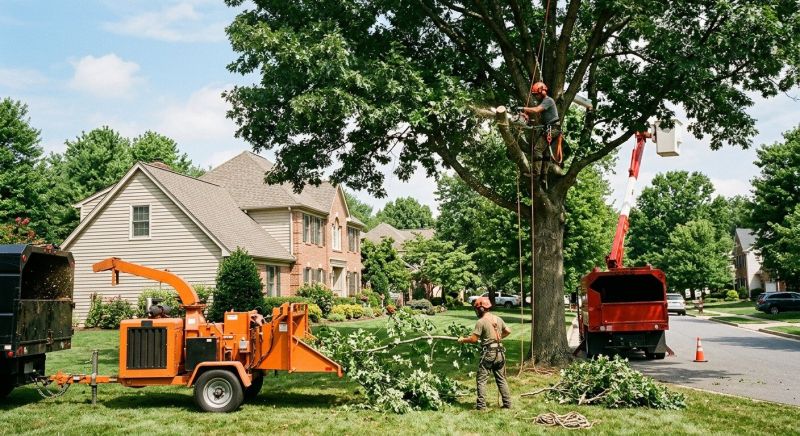
Tree Health Maintenance
Selective limb removal supports the health and longevity of your trees in san jose neighborhoods.
Tree Limbs Removal in San Jose, CA
Tree limbs removal services involve the careful trimming and removal of overgrown or hazardous branches from trees on residential properties. This service is often requested for projects such as removing dead or damaged limbs, clearing away branches that interfere with power lines or structures, and maintaining the overall health and safety of trees. Property owners typically want to understand which branches should be removed to prevent potential damage or injury, as well as how the process can improve the appearance and safety of their yard.
Before requesting tree limbs removal, homeowners should consider the size and location of the branches in question, especially those near rooftops, walkways, or utility lines. It’s important to evaluate whether the limbs pose a risk of falling or causing damage during storms or high winds. Understanding the scope of the project, including the types of tools and techniques used, can help property owners make informed decisions about maintaining their trees and ensuring their property remains safe and attractive.
Many property owners in San Jose, CA look into Tree Limbs Removal for repairs, replacements, upgrades, and appearance-related improvements.
Common Tree Limbs Removal Jobs
Tree limb removal - safely removing overhanging or damaged branches to improve tree health.
Emergency limb removal - quick response for broken or hazardous limbs after storms.
Crown thinning - selectively removing branches to reduce weight and wind resistance.
Dead limb removal - eliminating dead or decaying branches to prevent potential hazards.
View enhancement - trimming limbs to improve sightlines and natural light.
Property clearance - removing limbs that obstruct pathways, roofs, or utility lines.
Tree Limbs Removal Questions
When should tree limbs be removed? Tree limbs should be removed when they pose a safety risk, interfere with structures, or show signs of disease or damage.
What are common reasons for limb removal? Common reasons include storm damage, overgrown branches, or clearance around power lines and buildings.
How does limb removal benefit a property? Removing excess or hazardous limbs can improve tree health, prevent property damage, and enhance landscape appearance.
Are there signs that indicate a tree needs limb removal? Signs include dead or broken branches, branches rubbing against each other, or limbs that are growing in unsafe directions.
Request Tree Limbs Removal in San Jose, CA
Use the quote form on this page to share the basics of your project and request more information for the type of work you need.