Dead Branch Removal in Reno, NV
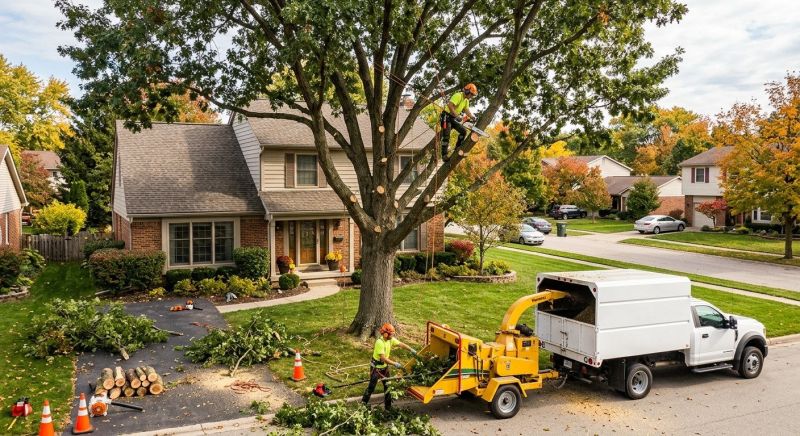
Dead branch removal services involve the careful removal of dead or dying limbs from trees to enhance the health, safety, and appearance of the landscape. This type of work typically covers projects such as pruning hazardous branches that pose a risk of falling, improving airflow and sunlight penetration, and maintaining the overall structure of trees. Homeowners often request dead branch removal to prevent potential damage to property, reduce the risk of injury, and promote healthier growth of their trees.
Before requesting dead branch removal, property owners usually want to understand the scope of the work, including which branches are considered unsafe or unsightly, and how the removal process might affect the tree’s health. It’s also helpful to know if the work will be performed around existing structures, power lines, or other landscape elements. Clarifying these details can ensure that the project addresses safety concerns while preserving the tree’s natural form and vitality.
Many property owners in Reno, NV look into Dead Branch Removal for repairs, replacements, upgrades, and appearance-related improvements.
Safety And Property Protection
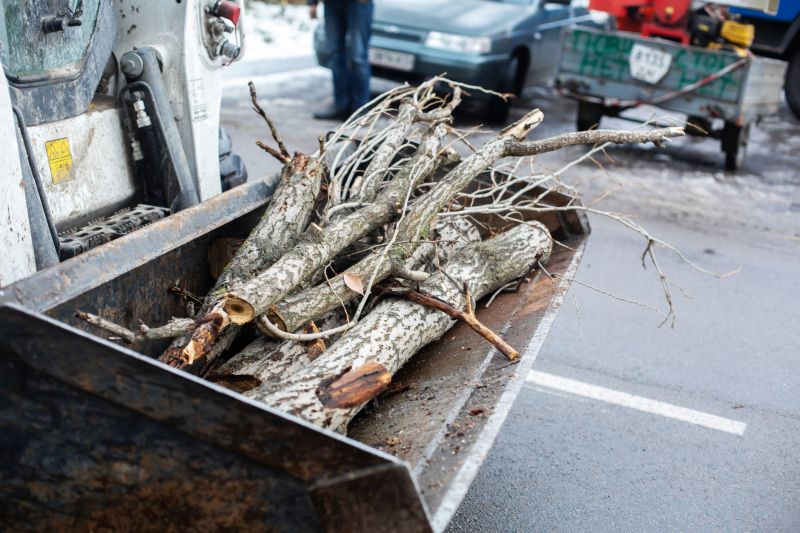
Removing dead branches reduces risks of falling and property damage during storms.
Tree Health And Aesthetics
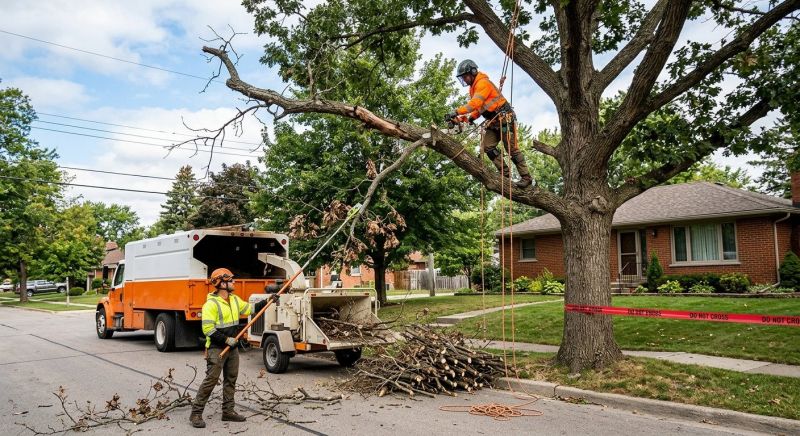
Pruning dead branches helps maintain the overall health and appearance of trees on your property.
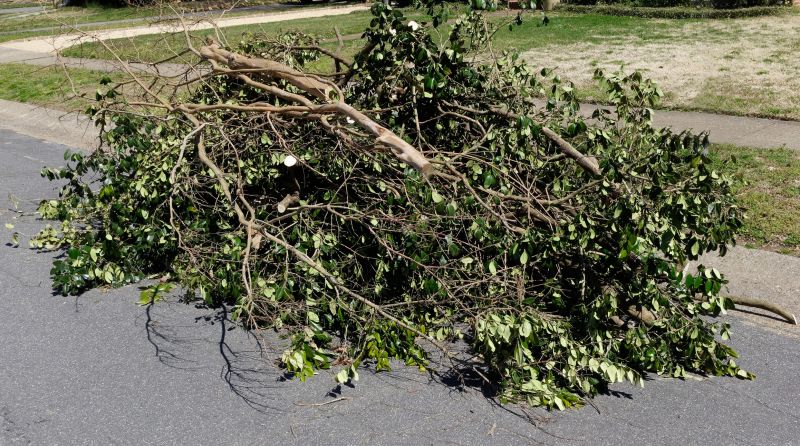
Preventative Maintenance
Regular dead branch removal can prevent disease spread and promote stronger tree growth in reno, nv.
Dead Branch Removal in Reno, NV
Dead branch removal services involve the careful removal of dead or dying limbs from trees to enhance the health, safety, and appearance of the landscape. This type of work typically covers projects such as pruning hazardous branches that pose a risk of falling, improving airflow and sunlight penetration, and maintaining the overall structure of trees. Homeowners often request dead branch removal to prevent potential damage to property, reduce the risk of injury, and promote healthier growth of their trees.
Before requesting dead branch removal, property owners usually want to understand the scope of the work, including which branches are considered unsafe or unsightly, and how the removal process might affect the tree’s health. It’s also helpful to know if the work will be performed around existing structures, power lines, or other landscape elements. Clarifying these details can ensure that the project addresses safety concerns while preserving the tree’s natural form and vitality.
Many property owners in Reno, NV look into Dead Branch Removal for repairs, replacements, upgrades, and appearance-related improvements.
Common Dead Branch Removal Jobs
Dead Tree Removal - safely removing trees that are dead or dying to prevent hazards.
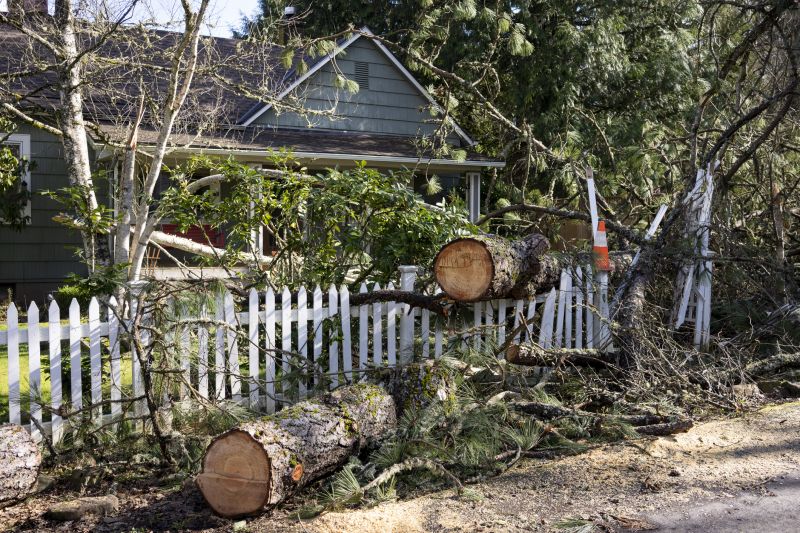
Storm Damage Cleanup - clearing dead branches and debris after severe weather events.
Overgrown Tree Trimming - reducing dead branches to improve tree health and appearance.
Hazardous Branch Removal - removing broken or unstable branches that pose safety risks.
Property Clearing - removing dead wood to enhance landscape safety and aesthetics.
Emergency Dead Branch Removal - quick response to remove fallen or dangerous branches after storms.
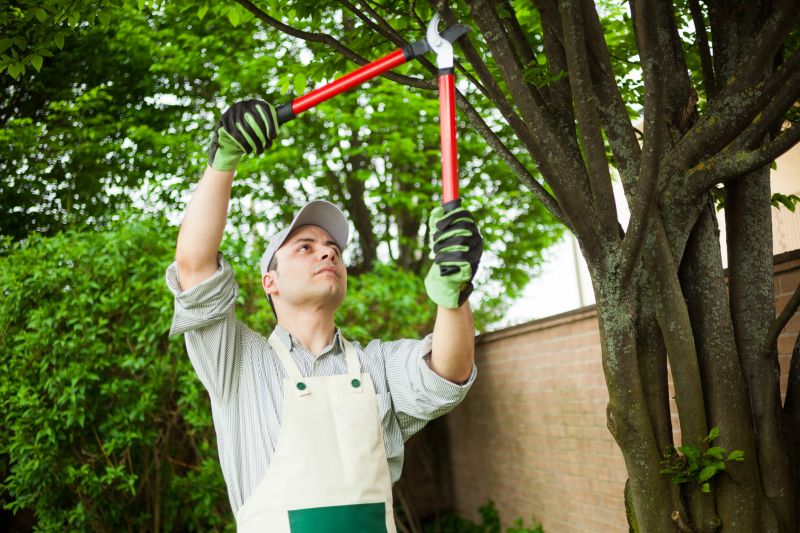
Dead Branch Removal Questions
Why should dead branches be removed? Removing dead branches helps prevent potential damage to property and reduces the risk of falling limbs that could cause injury.
How can dead branches affect tree health? Dead branches can attract pests and disease, which may spread to healthy parts of the tree, weakening its overall condition.
When is the best time to remove dead branches? Dead branches can be removed at any time of year, but early removal helps maintain tree health and safety.
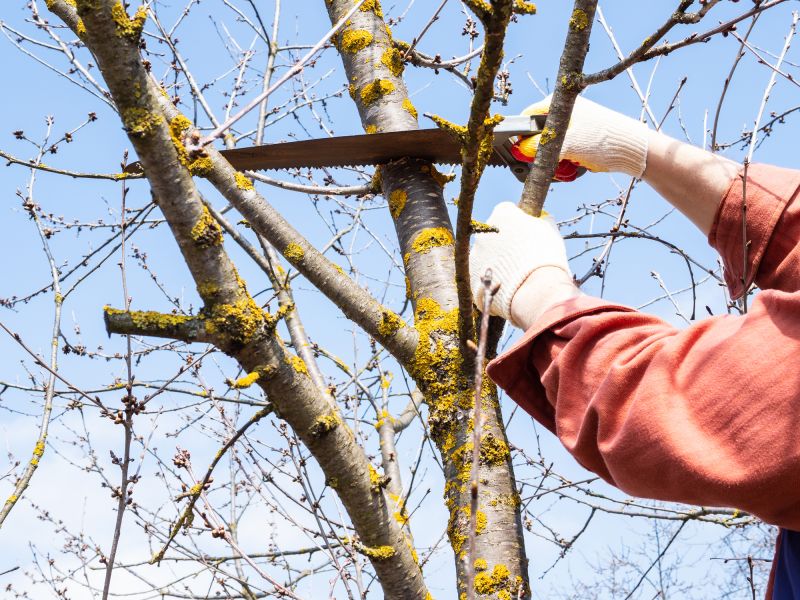
What tools are used for dead branch removal? Professional services typically use pruning saws, shears, and safety equipment to carefully remove dead or hazardous branches.
Request Dead Branch Removal in Reno, NV
Use the quote form on this page to share the basics of your project and request more information for the type of work you need.